Conservation Programs
Protecting wildlife and ecosystems through innovative conservation strategies
At Shumba Valley Conservancy, our conservation work encompasses a holistic approach that addresses the complex challenges facing wildlife and ecosystems in Taita Taveta. Through scientific research, community partnerships, and innovative conservation strategies, we are creating a sustainable future where wildlife and people can thrive together. Our programs are designed to address immediate threats while building long-term resilience in both natural and human communities.
Our Conservation Initiatives
Comprehensive programs addressing every aspect of wildlife conservation and ecosystem protection
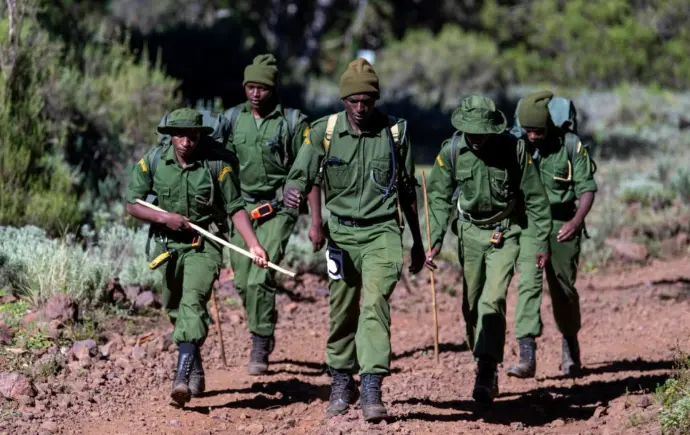
Wildlife Protection & Security
Our comprehensive security program includes 24/7 anti-poaching patrols, specialized K9 units for tracking, and advanced rhino monitoring systems using GPS collars and camera traps.
- 24/7 anti-poaching patrol units
- Specialized K9 tracking teams
- GPS collar monitoring for rhinos
- Camera trap surveillance network
- Community ranger training programs
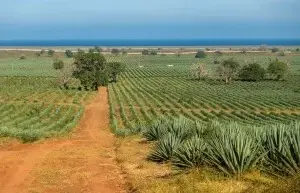
Sustainable Agriculture
Promoting eco-friendly farming practices that work in harmony with wildlife conservation, including crop protection methods and alternative livelihood programs.
- Eco-friendly farming techniques
- Crop protection from wildlife damage
- Alternative livelihood programs
- Sustainable grazing management
- Organic farming certification support
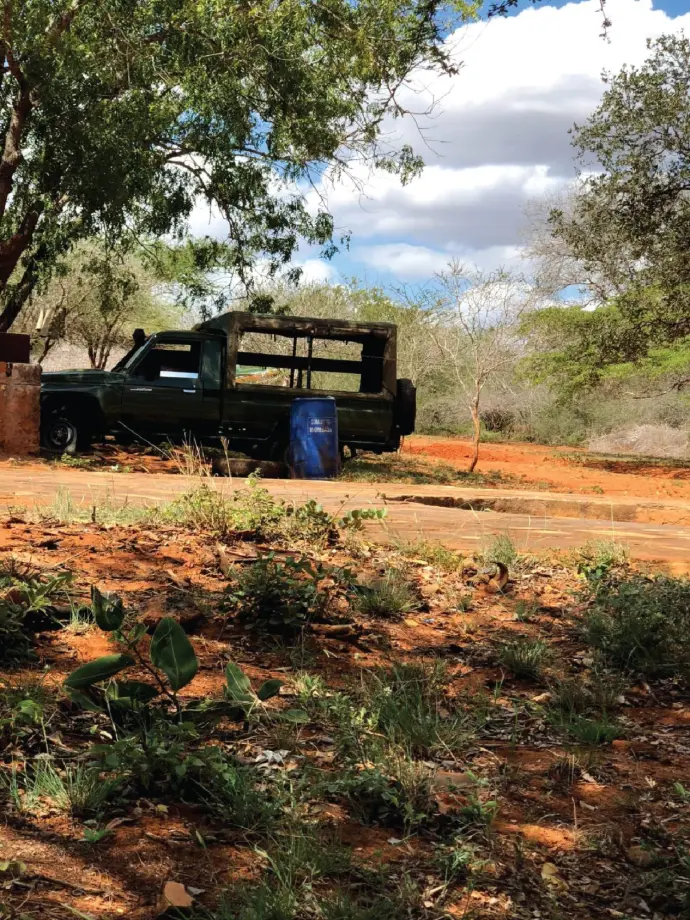
Monitoring & Research
Conducting regular aerial surveys, predator population counts, and ecological data collection to inform evidence-based conservation strategies.
- Monthly aerial wildlife surveys
- Predator population monitoring
- Ecological data collection
- Climate change impact studies
- Biodiversity assessment programs
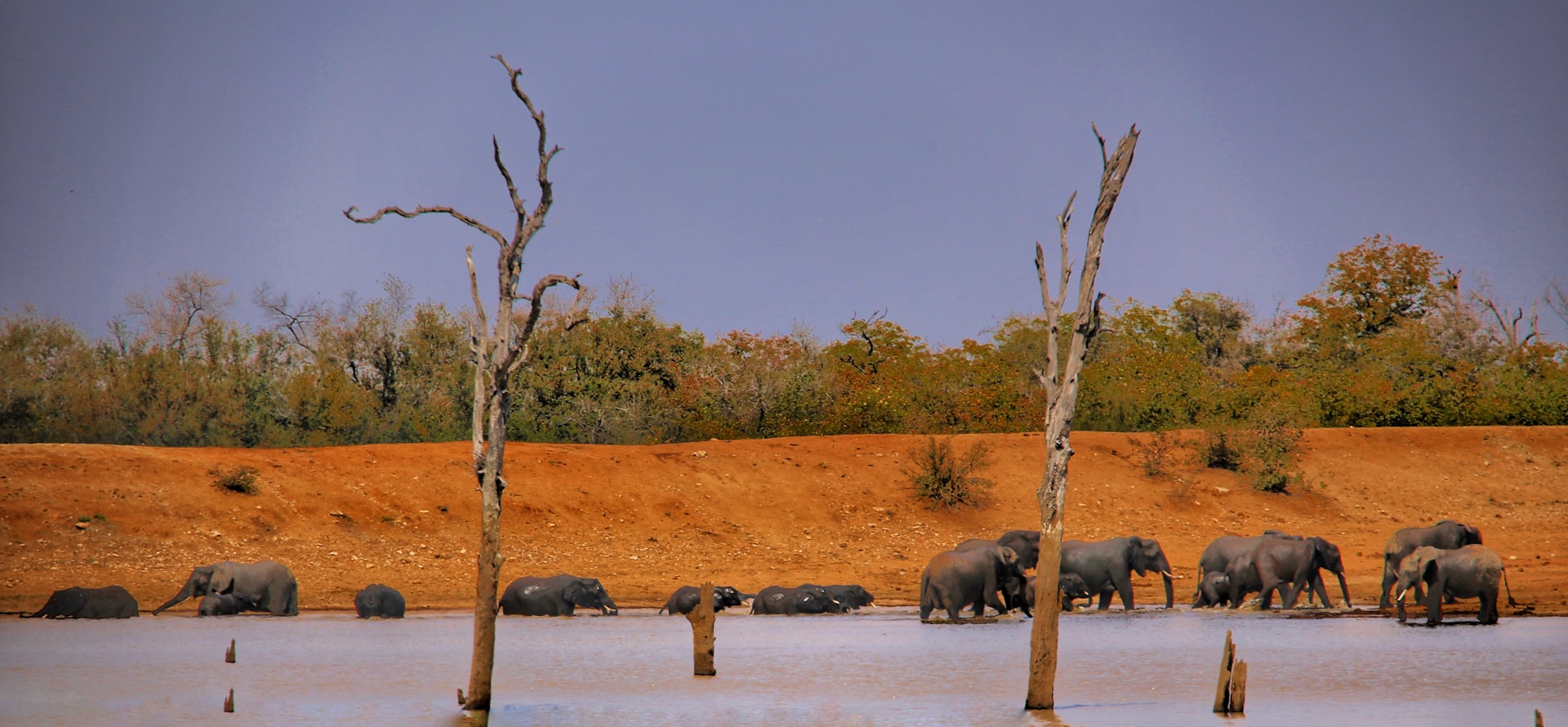
Ecosystem Restoration
We focus on habitat recovery through strategic water point relocation, invasive species removal, and native vegetation restoration to create thriving ecosystems.
- Strategic water point development
- Invasive species management
- Native vegetation restoration
- Soil conservation programs
- Habitat connectivity corridors

Community Engagement & Education
Empowering local communities through comprehensive training programs, educational workshops, and sustainable livelihood opportunities that support conservation goals.
- Conservation education programs
- Local community training workshops
- Youth environmental clubs
- Women's empowerment initiatives
- Traditional knowledge integration